Golf Drill Library
Proven Drills by Swing Fault & Phase
177+ proven golf drills with step-by-step instructions, video keyframes from respected PGA instructors, and the mechanics behind why each one works. Grounded in the same library our AI golf coach prescribes for custom practice plans.
177+ Drills
Step-by-Step
Pro Videos
PGA Instructors
AI Matched
Pose & Physics

The wall drill for shallowing the club
Associates power with depth rather than thrusting. Forces the pelvis to clear space for the hands.
Setup & Posture(23)
Drills to establish a neutral grip, athletic posture, and proper ball positioning at address

Wall Drill For Early Extension
Isolates the hip rotation mechanics without the complexity of the club.

Chair Drill for Early Extension
Provides immediate tactile feedback. If you leave the chair, you have early extended (thrust hips forward). Staying on the chair forces proper pelvic rotation and side bend.

Driver Slice Fix (Shoulder Tilt)
Slicers often set up with level shoulders, promoting an over-the-top path. Adding tilt forces an in-to-out path and upward angle of attack.

How to Fix your Slice with your Grip (Too Weak or Too Strong?)
A neutral path with slice or fade curve points toward inferred open face-to-path evidence. This grip check gives the player a setup checkpoint before they chase a larger plane or path change.

Hooking - Is your Grip Causing your Golf Hooks?
A neutral path with hook or draw curve points toward inferred closed face-to-path evidence. This drill gives the player a grip checkpoint so they can evaluate face closure rate before rebuilding the swing path.
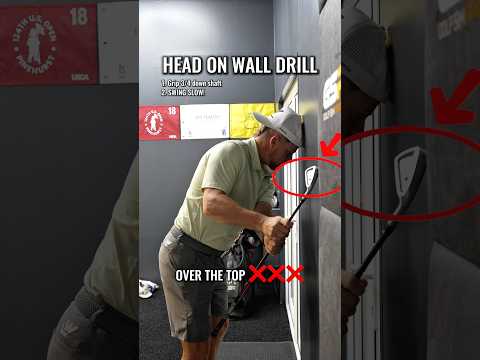
Head-on-Wall Posture Drill
Thin shots are caused by the swing center (sternum/head) lifting up. This constraint drill forces you to rotate strictly around a steady axis.

Neutral Grip Trainer
The grip controls the clubface. A neutral grip allows the wrists to hinge naturally without requiring manipulation to square the face at impact.

Fix Your Golf Slice With This Hidden Grip Technique
This is a general grip evaluation drill for inferred face-control patterns. It is useful when ball flight suggests the face is influencing the miss more than the measured path.

Trail Hand Slide Drill (Setup Alignment)
The physical constraint of sliding the hand down the thigh forces the spine to tilt away from the target. This spine tilt sets the shoulders in a closed position at address, which promotes an in-to-out path and encourages the club to approach from the inside.

C Posture Drill - Primary Swing Fault
C-posture reduces room for the arms and makes rotary depth hard to create. Rebuilding the address from a hip hinge instead of upper-back rounding gives the torso space to turn and lowers the need for compensations like early extension.

How To Fix S-Posture In Golf
S-posture locks the pelvis into anterior tilt and makes the golfer run out of space early. Neutralizing the rib cage and pelvis improves core control, supports a cleaner shoulder turn, and reduces the urge to stand up or spin flat through the shot.

Driver Ball Too Far Back? Stop Slicing
When the driver ball is too far back, the golfer is forced to catch it with a steeper, more handle-forward pattern that tends to leave the face open and path compromised. Moving the ball forward restores space for upward strike and cleaner face-to-path delivery.

Staying Behind the Ball with the Driver
A ball that is too far forward often turns into a reach-and-stall pattern where strike quality and start line become inconsistent. The fix is not just moving the ball, but matching ball position with the golfer's upper-center location so the club meets the ball before the body has to compensate.
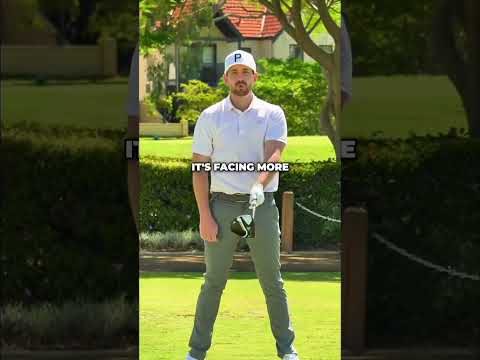
STOP Hitting Weak Golf Shots — This 2-Minute Drill CURES It
A weak grip often forces the golfer to either leave the face open or throw the club late to square it. Strengthening the hand placement modestly lets the face return more predictably and reduces the need for impact manipulation.

The SECRET to Playing Golf with a Strong Grip!
A strong grip is not always wrong, but it becomes a problem when the golfer adds too much forearm roll on top of an already closed delivery. Slightly neutralizing the hands and training rotation-led face control reduces hooks and trapped-left misses.
Glute-Brace Address Routine
Many S-posture cases come from inactive glutes that fail to support the pelvis, allowing the lumbar spine to over-arch. Continuous low-grade glute activation restores pelvic stability, neutralizes the lumbar curve, and allows the hips to rotate freely without resorting to early extension.

How to Stay In Posture | The Wall Drill
This version of the wall drill uses the wall as a light positional reference rather than something to press into, training the golfer to rotate and stay tall in posture through the swing instead of rounding the upper back or standing up out of the spine angle set at address.
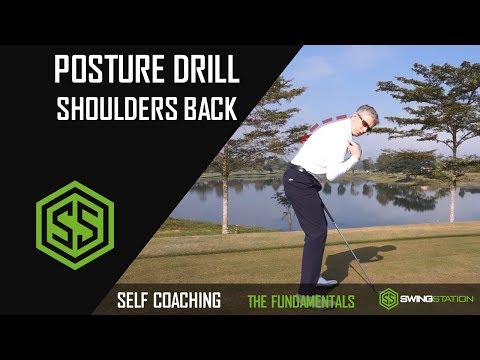
POSTURE DRILL - SHOULDER BLADES TOGETHER
A shoulder-blades-together cue counters the rounded, slumped upper back of C-posture at setup; resetting the scapulae before bending into the golf posture keeps the spine closer to neutral instead of collapsing forward.

Tuck Pelvis In Golf Swing - Slash Your Handicap
S-posture comes from an excessively arched lower back and an anteriorly tilted pelvis at setup; tucking the pelvis toward neutral and bracing the core to hold that position reduces strain on the lower back and gives a more stable base to rotate around.
Driver Apex and Launch Height Control
Setup tilt and tee placement directly alter attack angle, giving the player instant trajectory adjustments without breaking swing mechanics.

Advanced Grip Pressure and V-Alignment Checkpoint
Prevents over-tension in forearms and wrist locking, allowing free face release without manual manipulation.
Thoracic Spine and Hip Dynamic Mobility Warm-Up
Unlocks X-Factor stretch potential by warming up thoracic spine and hip joint capsule mobility.
Two-Box Target and Pressure Pre-Shot Routine
Separates analytical decision-making from subconscious motion execution, reducing course anxiety under pressure.
Backswing & Takeaway(35)
Drills for takeaway width, wrist hinge, backswing depth, and shoulder turn

Exercise Ball Wall Drill (Glute Engagement)
Using a ball provides 'give' allowing for the natural elliptical motion of the hips, unlike a rigid wall. Forces the glutes to stay deep, preventing the pelvis from thrusting forward (early extension).

One Piece Takeaway Drill
Ensures the takeaway is driven by the big muscles (core) rather than twitchy hands.

Simple One Piece Takeaway
Ensures the shoulders turn on a tilted axis (steep) rather than turning flat. Also guarantees that the arms and torso move as a connected unit.

Pete Cowen's Takeaway Drill
The 'wringing' action forces the trail hand to act as an opposing force to the lead hand. This stabilizes the clubface and prevents the common fault of the hands rolling the clubhead inside early.

Alignment Stick Takeaway Drill
Using the stick as an extension of the shaft provides tactile feedback on connection. If you roll your wrists or lift your arms early, the stick will leave your side instantly.

The Elephant's Trunk (Sling Drill)
Teaches the golfer to generate momentum with the body (core) rather than snatching the club with the arms. The 'float' at the top is the result of perfect sequencing: fast body early, passive arms late.

Pete Cowen's Feet Together Drill (Anti-Slide)
Narrowing the base of support removes the ability to slide or sway without losing balance. This forces the body to rotate purely around a fixed axis (coil) and synchronizes the upper and lower body.

Trail Foot Barrier Drill (Anti-Sway)
Corrects the misconception that weight shift is lateral. Promotes a spiral rotation where pressure climbs up, keeping the swing center steady and preventing energy leak to the outside of the trail foot.

Lead Hand Anchor Drill (Fastest Sway Fix)
Anchoring the lead side forces the body to coil (rotate) around a steady axis. You cannot sway laterally without physically moving the anchor club, providing instant feedback.

Swap Pockets Drill
Simplifies the complex movement of hip rotation into an easily understood, single-plane movement, which helps stop lateral swaying and encourages the correct coil.
Hip Rotation Test/Flare Out Foot Drill (Internal Rotation)
Tests and improves internal rotation in the trail hip. Flaring the foot unlocks the hip joint, enabling a fuller, less restricted backswing turn to prevent lateral sway.

Fix Flat Backswing: Hinge and Twist
This drill helps you feel the vertical hinge and proper wrist movement (abduction/thumbs up) to set the club in a more vertical position. This creates more face control and consistency by reducing excessive face rotation.

Fix Laid Off: The Waiter's Tray
Laid off is often caused by the trail shoulder internally rotating (flying elbow). The 'slight angle' feel promotes correct trail wrist set (cupped/extended) and external rotation in the shoulder, which squares the shaft and moves it onto a more neutral, rounded plane, helping to eradicate a slice.

Alignment Stick Backswing Checkpoint Drill
This two-stick system provides visual and tactile checkpoints. The stick on the hip ensures the one-piece takeaway (connection), and the tracing action ensures the club stays on the proper plane throughout the backswing and returns to the slot on the downswing.

Simple Shoulder Plane Drill (Fix Flat Turn)
The shoulders must always rotate perpendicular to the spine angle to maintain proper posture and the swing plane. A flat turn (shoulders parallel to the ground) destabilizes the spine and forces the club out of position, requiring timing-dependent compensations.

Fix a Flat Golf Swing Plane
Combines arm lift with body turn to create a neutral plane. Flat swings usually lack arm lift.

Right Toe Lift Drill (Backswing Posture)
Loss of posture is often caused by an insufficient or flat hip turn. Lifting the trail toes and pushing the trail hip back forces the golfer to rotate on a tilted axis, ensuring the spine maintains its original inclination to the ground. This drill increases hip turn and tilt, which keeps the 'butt line' back, allowing the club to drop down on plane.

Vertical Wrist Set (Anti-Flat)
Laid off swings often start too flat. Vertical wrist hinge creates the necessary height and steepness early to prevent laying it off late.

Lead Elbow Down Drill (Anti-Laid-Off)
When the lead elbow points out in front of the body, the club gets pulled around flat and behind the golfer, laying it off. Keeping the lead elbow pointing down keeps the club steeper and closer to vertical, preventing the shallow, laid-off position that leads to steepening or an over-the-top move in transition.
Hinge-First Wrist Set Drill
A laid-off position is often caused by stiff wrists that don't set the club early, letting it roll behind the body as the shoulders turn. Hinging the wrists first, before turning, forces the club into a neutral position early and prevents it rolling into a flat, laid-off shaft angle.

Shoulder-Priority Takeaway & Waiter's Elbow Checkpoint
When a laid-off club gets rerouted UNDER the plane in transition, it produces blocks, pushes, or hooks instead of a steep pull. Prioritizing lead-shoulder rotation in the takeaway (instead of hands/forearms) and holding the trail elbow in the waiter's-tray position at the top keeps the club in front of the body, preventing it dropping too far behind and getting stuck.

Swing Plane Alignment Stick Checkpoint Drill
The club naturally wants to swing toward the balance point set by the hands' motion, so a laid-off top position tends to re-route the shaft steep in transition, causing an over-the-top move. These two checkpoints give real-time visual feedback on the shaft's plane at two moments in the backswing, training the feel needed to keep the club on-plane and stop it steepening in transition.

Reaching for the Ceiling Fan Drill (Anti-Dipping)
Dipping or dropping the head in the backswing is often caused by a lack of extension in the trail side. The 'reaching for the ceiling fan' motion forces the spine to extend, turn, and tilt simultaneously, promoting a higher trail hip. This lengthening creates room for a full backswing and keeps the head relatively stable, preventing the swing from becoming cramped and steep.

Trail Arm Retraction (90-Degree Turn)
Forces the trail shoulder into a retracted position before the full turn, ensuring the width and connection are established. This prevents the arm from collapsing and promotes a full rib cage and shoulder turn, which improves the overall structure of the backswing.

Fix Your Across the Line Backswing in 3 Minutes! | Simple Golf Drill to Improve Your Swing (2026)
Across-the-line patterns usually come from arm run-on after the torso has finished turning. Widening the hand spacing and pausing at the top makes the overrun obvious, helping the player match arm travel to body turn and reduce face-timing compensation on the way down.

Hands IN Club OUT | Achieve The Perfect Golf Takeaway | Golf Tips
An outside takeaway usually starts with the hands pushing away from the body while the chest stays passive. The hands-in, club-out feel keeps the handle connected to the turn, preserves width, and sets the shaft in a place that is easier to shallow later.

Fix your overswing with ONE EASY DRILL...
Overswing is usually an arm-runoff problem, not a lack-of-speed problem. Shortening the top improves structure, makes transition simpler, and removes the need for timing-heavy rerouting on the downswing.

Flying Trail Elbow Drills
A flying trail elbow lets the arms disconnect from the body turn, which is one of the main ways golfers get the club across the line at the top; training the elbow to fold down and stay connected keeps the club on a shorter, more on-plane path.
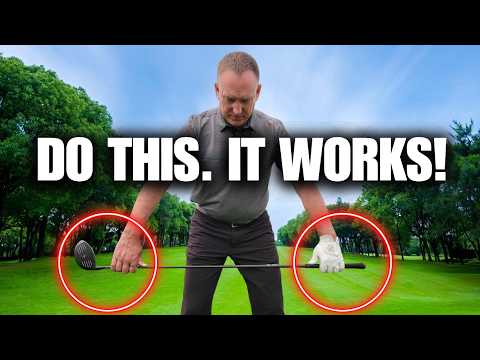
This Split Hand Grip Drill Will Fix Your Swing FAST!
Splitting the hands on the grip exaggerates hand and wrist feedback, so a cupped lead wrist or extra arm travel that leads to an across-the-line position becomes obvious and easier to self-correct.

Fix Your Across The Line Golf Swing (Pizza Tray Wrist Extension)
When the trail wrist stays neutral or bowed at the top, the club runs across the line and forces the golfer to either steepen (over-the-top) or shallow excessively (stuck) to return to plane. Trail wrist extension (pizza tray feel) keeps the clubhead behind the hands and deeper, preventing the across-the-line position and allowing a more consistent, inside-to-out delivery.

GOLF SWING ACROSS THE LINE | Fix OR Eliminate Your Across The Line Look
An across-the-line club position is often driven by a dominant trail hand that manipulates the club into the wrong spot. The waiter tray feel keeps the trail wrist soft and extended, prevents the trail hand from taking over, and tucks the trail elbow in nicely, maintaining a better plane and more stable top-of-backswing position for consistent ball striking.

Perfect Golf Swing Takeaway Drill
An outside takeaway traces back to the very first move: if the arms disconnect and push the club outside the hands-feet line early, the rest of the swing is forced to compensate, so training this checkpoint keeps energy delivered into the ball more efficiently.

This HEADCOVER Drill Will Get You More CONNECTED!
Keeping a headcover pinned under the lead armpit gives instant feedback when the arms separate from the torso; training the chest and core to initiate the takeaway keeps the club connected and on a better path away from the ball instead of the arms pushing it outside.

STOP YOUR OVERSWING WITH THIS SIMPLE DRILL
An overswing is usually caused by the lead arm continuing to travel and the trail elbow angle collapsing past where the shoulder turn stops; rehearsing a shorter, supported top position retrains the arms to stop when the body turn stops instead of continuing on their own.
Trail Arm Radius Preservation Takeaway Drill
Prevents trail elbow collapse at top of backswing, maximizing swing arc radius for effortless lever power.
Transition & Downswing(45)
Drills to shallow the club plane, drop into the slot, and sequence lower body rotation
The wall drill for shallowing the club
Associates power with depth rather than thrusting. Forces the pelvis to clear space for the hands.

Trail Heel Wedge Drill
Forces the golfer to keep the trail foot grounded and create depth with the lead hip, rather than thrusting the trail hip forward which causes the heel to lift.

Left Forearm Pronation (Steep to Shallow)
Focuses on the rotation of the lead forearm to drop the club onto a shallow plane. Pronation in transition (thumb down) flattens the shaft, whereas supination (thumb up) steepens it.

Downswing Sequence Drill
Enforces the correct kinematic sequence: Hips -> Torso -> Arms -> Club.

The Dropping Drill (Justin Rose Feel)
Disassociates the arm drop from the shoulder spin, curing the Over-the-Top move.

Rewire Your Swing Sequence
Forces the lateral shift (weight transfer) to happen before the rotational force is applied.

The Step-Through Drill (Hip Sequencing)
Forces the lower body to initiate the downswing sequence extremely early. The step ensures weight transfer to the lead side and prevents the upper body from rushing, as the lower body gets a massive head start.
Pause at the Top Drill
Eliminates the momentum-based 'rush' where the arms race the body. Pausing kills the arm momentum, forcing the player to re-initiate the downswing with the proper lower body sequence to generate power.

GOLF: The Best Golf Drill I've Ever Seen
Forces an extreme in-to-out path (4 to 10) to cure the over-the-top move. The 'face down' finish ensures the face is square or closed to that path, promoting a draw.

Hovering Alignment Stick Drill
The stick acts as a physical ceiling or barrier. An over-the-top slice swing is steep and will hit the stick. To miss it, you are forced to shallow the club and attack from the inside.

The Braking Drill (Pivot & Angular Release Control)
Spinning the pelvis and torso open indefinitely delays clubhead release, leaving the face open to the path. Pigeon-toeing the lead foot creates a physical braking action that decelerates pelvic rotation into impact, transferring energy into rapid angular release of the clubhead.

Feel LAG With The Pump Drill!
Teaches the feeling of leading with the hands and storing energy in the wrists.

The Wall Bump and Pump Drill
Disassociates the lower body shift from the arm release. If you cast (throw the clubhead) or hang back, you will hit the wall. Forces a 'hands-leading' delivery.
P3 Change of Direction Drill
Trains the proper kinematic sequence (Lower Body leads). Initiating the downswing with the hips while the club is still loading creates dynamic lag and prevents the upper body from dominating (casting).

Bobby Steiner's 'Box' Drill for Early Lag
Trains a wide-narrow-wide swing path. Placing a box as an obstacle forces you to keep the downswing narrow (retaining wrist angle/lag longer) to avoid hitting the box, preventing early release and casting.

Try Our 1-2-3 Tempo Drill for Better Long Irons
Establishes the 3:1 tempo ratio found in almost all professional golfers.

Alignment Stick Bump Drill (Extension)
Prevents the 'slide' where the knees stay buckled and the body drifts. Forces an early re-centering of mass over the lead leg, allowing for a powerful vertical extension through the ball.
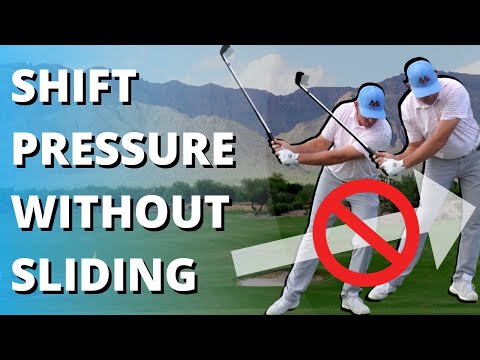
Step Drill for Pressure Shift (Stop Sliding)
Teaches a dynamic pressure shift without excessive lateral mass movement. By stepping, you learn to spike pressure into the ground to stop momentum and convert it into rotation, rather than sliding the hips or upper body.

Stop Swaying (Alignment Stick Barriers)
Excessive lateral slide destabilizes the upper body and shifts the low point. Using the stick as a constraint forces the pelvis and torso to rotate (spin) open rather than sliding laterally towards the target.

Stop Blocking and Hooking
Neutralizes the excessive in-to-out path that causes hooks and blocks.

Hooks & Blocks Driver Fix
A high lead shoulder and a lower-body-first transition trap the arms and club behind the body, forcing a block or a flip-hook to square the face. Dropping the arms early and keeping the lead shoulder low gets the shaft back to a neutral, on-plane position by the halfway-down checkpoint, removing the need to block or hook to make contact.

Right Knee to Right Field
Exaggerates the inside path to counteract the steep over-the-top habitual motion.
Single-Arm Drop Drill (Stop OTT)
The single-arm swing makes the shoulders stutter, forcing them to hold their 'closed' position longer. This allows the club and arms to naturally drop onto a shallower, inside path, curing the over-the-top move.
Step-Through Drill
Reverse pivot is a failure to shift pressure. Stepping forces the mass to move from trail side to lead side dynamically.

Dr. Kwon's Connection & Rhythm Drill
The swing must be one continuous, orchestrated motion that prevents the two phases (backswing and downswing) from being separated [0:05]. This drill trains the correct timing to avoid rotating the body first, then swinging the arms.
Split-Grip Lag Pump Drill
The split grip makes an early throw obvious because the trail hand races past the lead hand. Pumping down with wrist structure intact teaches lag retention before the player adds speed.

Downswing Sequence Alignment Rod Drill
Getting stuck occurs when the lower body spins open while the trail arm lags behind the torso seam, trapping the club inside and forcing an early stall, block, or flip. Threading an alignment rod through your belt loops creates an immediate physical and visual reference: feeling the trail elbow stay in front and beat the trail pocket into impact keeps the arms synchronized with the pivot for a clean, connected release.

Easy Fix for Trapped Trail Arm
If the trail arm gets trapped behind the torso, the player must flip or block. Keeping it in front allows for a synchronized turn.

Two-Piece Move to Stop Getting Stuck
Prevents the body from stalling by squaring the face early. The wrist bow shallows the shaft, while the forearm rotation squares the face, allowing the player to rotate fully through the shot without blocking or flipping.

Upside Down Extension Drill (Hand Speed)
Counteracts the tendency to drag the handle close to the body (narrowing) which causes stuck shots. Pushing the hands out creates width and tension in the lead side, syncing the arm speed with the body pivot.

Why Amateur Golfers Can't Stay Down & Rotate In The Downswing
Stuck and stall patterns often pair together: the trail side fires toward the ball, the body stands up, the arms get trapped, and impact needs a late save. These three drills quiet the trail side, block the knee thrust, and train lead-hip rotation so staying down creates space instead of forcing a block, flip, or hook.

Stepping and Striking Drill (Dynamic Transfer)
This dynamic drill forces the pressure to be firmly planted onto the lead foot before impact, which is essential for transferring momentum and setting the low point correctly (ball-first contact). It eliminates the tendency to hang back on the trail side.
Trail Hand One-Handed Swings (Natural Delay)
This drill isolates the trail side to improve the weight shift initiation. The natural delay of the clubhead helps sync the lower body movement (shift) with the passive upper body and arms, improving the kinematic sequence.

Pressure Awareness with the Downshift Board
Using a dynamic tilt/downshift board enforces moving pressure to the target side before the club or arms start their downward path. This ensures proper kinematic sequencing, eliminating over-the-top, casting, and hanging back.
5 O'Clock Arm Drop Drill (Inside-Out Path)
This drill forces the arms and club to drop onto a shallow plane and approach from the inside, preventing the lead arm from getting pinned against the chest. By delaying the shoulder turn and dropping the club to the 5 o'clock line, it eliminates the upper body spinning out and corrects the outside-to-in swing path.
Driver Head Behind Ball Drill (Delay Turn)
The driver head acts as a physical constraint against an early shoulder spin. This forces the golfer to delay the upper body's rotation, allowing the arms and club to drop naturally into a shallower, inside path (Arm Drop) rather than casting the club over the top.

The Motorcycle Drill (Flatten Wrist)
Flexing the wrist closes the clubface early, removing the need to flip at impact. Essential for compressing the ball.

The Pump Drill: Improve Downswing Sequence, Wrist Angles, and Impact
The stop-and-go pump rehearsal isolates the transition so the golfer can feel the body starting the downswing first while retaining wrist angles, which keeps the top of the backswing compact and prevents the reach-and-lengthen pattern that produces an overswing.

Right Elbow In Golf Downswing Drills (PERFECT POSITION!)
When the trail elbow gets trapped behind the ribcage in the downswing, the arms are stuck behind the body's rotation: the classic connection loss that forces blocks, flips, and two-way misses. Keeping the elbow to the side of the torso with the trail arm straightening early restores the arm-body relationship, shallows the shaft, and lets the body rotation deliver the club with shaft lean.
Intentional Draw Setup and Path Drill
Creates a path right of the target while keeping the face closed relative to the path, imparting right-to-left axis tilt (draw) on the ball flight.
Intentional Fade Setup and Open Face Alignment
An open face relative to the out-to-in swing path produces predictable left-to-right gear spin and a high, soft-landing fade.
Dynamic Lead-Foot Step Swing Speed Drill
Forces proper kinematic sequencing by ensuring lower body pressure shift precedes downswing arm acceleration.
Lead Heel Stomp Vertical Ground Force Drill
Maximizes vertical ground force thrust, converting downward pressure into rotational velocity and clubhead speed.
Start-Line Gate (Separating Face From Path)
Ball start direction is governed overwhelmingly by clubface angle rather than swing path - roughly five parts face to one part path. Isolating start line first sorts out the face, so that later path work produces a predictable curve instead of two errors compounding.
Curve-On-Command Ladder
A shot shape is the gap between clubface and swing path, so shaping on command is really a test of whether those two can be moved independently. Calling the shape before the swing is what turns it from an observation into a skill.
Impact & Release(33)
Drills for forward shaft lean, solid low-point compression, and square clubface release

How to fix your slice with your driver in 15 seconds
Isolates the trail arm's role in squaring the face. By fixing the lead arm, you prevent the body from dragging the handle forward (holding the face open) and force the natural release of the clubhead.
The 'Acorn' Drill (Forearm Supination Feel)
Placing the lead thumb against the trail palm's lifeline creates a direct tactile pressure point. Pushing against that point in the downswing while keeping the trail elbow tucked forces lead forearm supination, squaring the face and curing weak slice contact.

Stop Chunking Your Golf Shots
Moves the low point of the swing forward, ensuring ball-first contact.

Alignment Stick Shaft Lean Drill
Forces the golfer to maintain the swing radius and shaft lean through impact. The physical feedback of the stick hitting the side prevents the 'flip' that causes fat shots.
Towel Drill for Low Point Control
Visual and physical barrier that forces a steep enough angle of attack to hit the ball first. Hitting the towel indicates the low point was too far back (casting/un-cocking early).

Fix Fat Shots Forever
Lifting the heel breaks the habit of keeping weight on the front foot (reverse pivot). Planting the heel forcefully shifts the low point of the swing forward, ensuring cleaner contact.

Stop at Impact Drill (Brake Drill)
Trying to stop the club requires the body to 'brace' and the hands to pull back on the handle. This opposing force catapults the clubhead past the hands (release), preventing the lead arm from buckling (chicken wing) to absorb the energy.

Tour Extension Through Impact
Extension is a byproduct of rotation. If the body stops, the arms fold. Keep the body turning.
Split-Grip Body Pivot Drill (Punch Cut Feel)
Separating the hands exaggerates the leverage and rate of closure of the clubface. To prevent an aggressive hook with this split grip, the golfer is forced to actively drive their body rotation (pivot) through impact and feel a low 'punch cut', eliminating hand dumping and stalling.

Split-Hand Drill
Quiets the hands and forces the torso to control the clubface rate of closure.

The Three-Step Drill (Tee Clip)
Topping is often caused by the fear of hitting the ground, which makes golfers bend their arms to shorten the swing radius. This drill forces the golfer to commit to a descending blow and extend the lead side, proving that the low point is correct and eliminating the fear of hitting the ground.

Topping Fix (3-Point Low Point Control)
Low point follows weight. By moving the low point forward via correct setup, arm direction, and weight shift, you ensure the club hits the ball first and then the ground, eliminating the top shot.

Feet Together Drill
Removing the base of support forces the golfer to rotate strictly around their center. If you sway, you fall. Instant feedback.

Straight Iron Shots Drill
Limits face rotation through impact, improving directional consistency.

Impact Position Rotation Drill (Lag & Compression)
Trains the body to rotate through the shot rather than stalling, which is required to maintain shaft lean. This feel promotes the hands leading the clubhead and prevents the flip at impact by forcing the hips to clear space.
Wall Push Drill (Forward Shaft Lean Feel)
Provides immediate tactile feedback on the proper hand and shaft angle at impact, training the wrist and hand stability required to compress the ball.
Trail-Hand Throw Release Drill
Late release usually shows up as the handle dragging too long, the face staying open, or the lead arm folding. Trail-hand throws restore clubhead release after impact without teaching an early flip before impact.
Impact-to-Finish Release Window Drill
This creates a release window: handle forward through impact, then clubhead release after the strike. It helps distinguish an early cast from a held-off late release and gives the AI a drill for either timing error.

Stay Down Through Impact (3-Part Sequence)
Staying down through impact requires a precise sequence. Insufficient backswing turn leads to a narrow swing and early lift (thin shots). The key is the re-centering move in transition, which lowers the lead hip and positions the body to move down and forward, achieving the necessary compression over the ball. This ensures the club delivers the ball-first, ground-second strike by maintaining the correct spine and hip angles.

The 'Mini-Me' Drill (Maintaining Tilted Posture)
Shortening the grip forces a more bent-over address position, which acts as a constraint. This helps the golfer feel the correct combination of shoulder rotation and side bend (right and left tilt) required to maintain the spine angle and 'stay down' through impact.

Better Rotation and Compression
If the lead shoulder stops or stays low, the arms buckle. Pulling it up and around creates extension.

The Two-Ball Anti-Shank Drill (Hit the Inside Ball)
Shanking is caused by the clubhead moving further away from the body than established at address (heel strike). This constraint drill forces the hands and club to stay closer to the body during the downswing (0:56), training the golfer to hit the inside quadrant of the ball and avoid the club's heel.
HackMotion Feedback Drills (Static to Dynamic)
Provides real-time objective feedback on wrist extension/flexion, training the player to avoid the cupped position that leads to casting.

THE BEST SHANK FIX DRILL EVER
A shank happens when the hosel, not the clubface, reaches the ball first, typically traced to a path swinging too far from the inside and/or an open face at impact; deliberately training a toe-side miss recalibrates the swing to bring the center of the face back to the ball.
Wedge Trajectory Control & Low Flight Drill
Delofts the clubhead at impact while controlling spin loft, producing a low-launching, high-spinning flight ideal into wind.
Outer Ball Gate Heel Contact Prevention Drill
Prevents hand path drift away from the body during downswing, forcing arms to clear close to torso.
Split-Hands Impact Rehearsal and Release Timing
Exaggerates lever mechanics at impact, preventing wrist scoop while teaching proper rotation-driven face squaring.
High Exit Extension & Lead Arm Whip Drill
Forces lead forearm rotation and extension past impact, eliminating lead elbow collapse and maintaining acceleration.
Impact Spray Center-Face Calibration Drill
Provides objective visual feedback on face strike location, enabling precise setup and hand distance adjustments.
Positive Attack Angle Driver Tee Altitude Drill
Forces low point of driver swing arc to occur before ball, maximizing launch angle and minimizing backspin.
Line Drill - Divot Starts After the Ball
Compression is a low point ahead of the ball, not extra effort. The line turns an invisible timing question into a mark you can read after every swing, which is the only reliable way to tell whether a change actually moved low point forward.
Descending-Strike Ladder (Shaft Lean Progression)
Forward shaft lean is what delivers the ball less loft than the club is built with, and that is what compression feels like. Building it upward from short swings keeps the hands ahead as speed rises, instead of trying to add lean at full speed where the flip is already automatic.
Nine-Ball Strike Dispersion Test
Consistency is a dispersion measurement and it cannot be felt, because memory keeps the best strike of a session and quietly discards the rest. Nine unadjusted swings with a photographic record turns a vague sense of striking it better into something that is either true or not.
Full Swing & Tempo(41)
Drills for swing balance, rhythm, pace, and repeatable power through impact

The Tailbone Alignment Rod Drill
Provides negative feedback. If you leave the rod, you have early extended. Forces you to stay in posture.

The Count to Two Drill (Torso Engagement)
Rushing is often caused by an arm-dominant swing. engaging the torso (belt buckle) and counting to two slows the backswing, allowing the body to load correctly for effortless speed.

Use a Metronome to Find the Perfect Golf Swing Tempo
External auditory pacing reduces cognitive load and anxiety, smoothing out the kinematic sequence.

Understanding the Center of Your Swing
Controlling the swing center (under the armpit) is crucial for straight shots [1:58]. Ball position off the lead heel is linked to this center, promoting a high likelihood of a straight hit [2:30]. Hitting left of center results in a slice/pull, while hitting right of center results in a push/hook [1:27, 1:33].
Pressure into the Heel Drill
Ensures stability in the trail leg and prevents the pressure from shifting too far to the toes. Keeping the pressure in the heel promotes proper internal hip rotation, which is necessary for a full turn.
Halfway Back Stop and Feel Drill
Provides instant feedback on the body's rotation (or lack thereof) in the first half of the backswing. Encourages the body to turn more in sync with the arms, preventing a hands-only start to the swing.
The Match-Up Drill (Torso/Hip Sync)
Visually verifies that the torso rotation is happening on the correct tilted axis (perpendicular to the spine), rather than a flat, baseball-like swing. This syncs the upper body's turn with the club's plane.
Continuous Motion (Right Left Drill)
Forces the weight to follow the club in continuous motion (club right, weight right; club left, weight left). This eliminates the reverse pivot habit where the club and weight move in opposite directions, helping you find natural rhythm and balance.
Halfway Back and Hold Finish Drill (Tempo & Lag)
Forces the golfer to rely on body rotation to generate speed from a short backswing, promoting lag. Holding the finish trains the body to decelerate in a way that allows the clubhead to lead the hands, rather than flipping.
Arm Sync Drill
Getting stuck happens when the pivot is too fast for the arms. Connection drills synchronize the two engines.

Elbow-to-Elbow Connection & Trail-Arm Takeaway Drill
A trail elbow that stays rigid in the backswing tends to drift too far behind the torso, trapping the arm and forcing a stuck downswing that produces blocks or snap hooks. Feeling the trail elbow fold toward the lead elbow (both in a standalone rehearsal and in a trail-arm-only takeaway) trains it to stay connected and pass in front of the chest on the way down, instead of getting stuck behind the body and needing a compensatory 'save' through impact.

Why 99% of Golfers instantly improve with this One Move !
Getting stuck starts when the trail elbow drifts behind the torso in the takeaway and the arms stop moving with the chest. Hooking the lead hand under the trail arm removes independent arm motion so the takeaway has to come from torso rotation, and keeping the trail tricep in front of the chest in the downswing preserves that arm-body connection while the body rotates. With the arms staying in front of the turn instead of trapped behind it, the club is delivered by rotation and the strike compresses instead of requiring a block or a flip to save it.

Weight Shift Is Ruining Your Game
Corrects the misconception of sliding weight. Pressure shift is subtle and early, enabling rotary power.

3 Simple Weight Shift Drills
Dynamic movement drills that force the body to move mass toward the target instinctively.
Easy Weight Transfer Drill
Encourages aggressive rotation and pressure transfer to the lead side.

The Snead Squat (Rotation & Lateral Shift)
The Snead Squat is a complex combination of rotation and lateral shift, with rotation being the primary move that creates the squat appearance. It is not just squatting the knees or spinning around the trail foot. The left side must pull around while the hip moves forward laterally. It is difficult to replicate and requires significant flexibility and hip mobility (6:04-6:10), so practice slowly and focus on the mechanics.
Lead Hand One-Handed Swings (Weight Flow)
The light, one-handed grip makes it difficult to overpower the club with the arms, encouraging the body's natural motion and weight transfer to generate speed and flow.
Two-Handed Fingertip Grip Drill (Body-Driven Motion)
The fingertip grip makes it impossible to force the club with the hands, providing instant feedback. This constraint forces the golfer to rely purely on the large muscles of the body (core and legs) to initiate the swing and power, promoting a body-driven motion and correct weight transfer.

The 4 Quadrants Weight Shift Drill (Stop at the Top)
Visualizes the swing in four specific quadrants to monitor pressure stages. Stopping at the top ensures connection from the ground up, loading pressure into the inside of the trail heel while maintaining a flexed trail knee to load power rotatably without sliding.
Ball Below Feet Drill (Natural Tilt Fix)
This environmental constraint forces the body's natural response to gravity and ball position. Since standing up will cause you to miss the ball completely, the brain and body instinctively work to maintain the necessary spine and hip tilt to reach the low-lying ball, eliminating early extension.

The Plane of Glass Drill (Rounded Swing)
This drill trains a rounded, natural swing path, forcing the club to work on a flatter, shallower plane, which directly corrects a steep downswing and eliminates the out-to-in path that causes slices and pulls. By focusing on the clubface being square to its arc, it promotes the necessary release instead of holding the face square to the target.

Steep Fix: Bowing the Lead Wrist
Left wrist cupping (extension) causes the club shaft to become vertical and steep [1:02] and opens the clubface. Bowing the wrist flattens the lead wrist and helps shallow the plane.
Steep Fix: Trail Elbow in Front (Nunchuck/Ball)
When the trail elbow points behind the body in transition, the shaft immediately steepens and pitches out in front [5:56, 6:05]. Keeping the elbow in front promotes better connection and a flatter angle of attack.

Slice Fix System: Closed Shoulders & 7 O'Clock Entry
The combination of closed shoulders (aiming the swing path right) and a right heel load promotes an in-to-out swing path. By aiming for the seven o'clock entry angle with a closed face, you force the swing path to the right of the target line, which neutralizes the out-to-in slice path and results in a desired curve to the left (draw).

Head Cover Drill (Anti-Shank/Inside-Out)
Shanks are often caused by the clubhead moving horizontally away from the body (often due to a closed clubface, not an open one). By placing the head cover as a constraint, the golfer is forced to pull the club and hands closer to the body. Addressing the ball on the toe and swinging 'inside-out' reinforces a path that avoids the hosel and achieves centered contact.
Frankenstein Drill (Shoulder Isolation)
Isolates the movement of the shoulder blade to train the difference between shoulder retraction (pulling back) and protraction (pushing forward). This teaches the golfer that true arm extension (appearing straighter) is a function of the shoulder socket movement, which is necessary for width.
Shoulder Push (Width & Retraction)
True width comes from trail shoulder retraction, not just arm movement. Retracting the shoulder (scapula toward the spine) improves rotation, helps straighten the lead arm without locking it, and positions the club in a shallower spot for transition. Avoid shoulder protraction (forward), which restricts rotation.

GOLF: How To Stop Shanking In 5 Minutes
This fix targets the two most common shank triggers: poor setup distance and posture, and weight or the swing low point moving too far toward the ball; restoring balance and full body rotation through impact keeps the clubface center, not the hosel, meeting the ball.
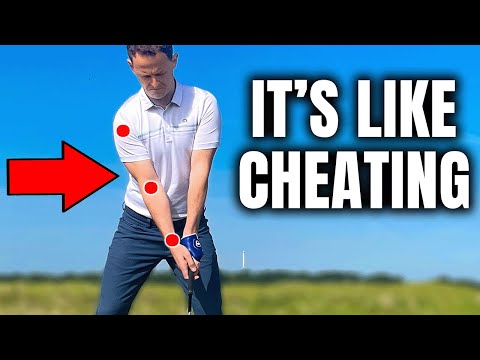
Always Start With Your Right Arm in This Position
Most flying trail elbows are pre-set at address: when the trail forearm rotates in over the grip, the elbow is forced up and out as the arms swing back, disconnecting the arms from the turn and pointing the club across the line at P4. Pre-setting the forearm 'open' lets the elbow fold down naturally like a bicep curl, and keeping that flexion into impact prevents the early straightening that causes fat and thin strikes.
Collin Morikawa explains how to keep your hands and body in sync
Arms drifting away from the torso make the backswing steep and off plane, forcing compensations in the downswing. The under-armpit object gives instant feedback the moment the lead arm separates, training the arms and chest to move in sync so the club stays on plane back and through: the same connection feedback loop a major champion uses to keep his swing calibrated.
Knockdown Wind Shot Punch Routine
Choking down and swinging three-quarters reduces shaft flexing and spin rate, allowing the ball to pierce through crosswinds.
Light-to-Heavy Overspeed Training Protocol
Overspeed training rewires central nervous system speed limits by forcing fast twitch muscle recruitment beyond normal swing speeds.
Happy Gilmore Run-Up Speed Unleash
Eliminates static tension and uses momentum to stretch core musculature, unlocking maximum rotational torque.

Radar-Guided Swing Speed Ladder Session
Instant biofeedback from radar units removes subconscious self-preservation braking, conditioning the body to swing faster.
Speed-to-Control Alternating Transfer Session
Bridges the gap between raw speed drills and solid face contact, ensuring speed gains translate into usable distance.
Double-Armpit Towel Core Synchronization
Pins arms to torso unit, eliminating independent arm lift and forcing body rotation to drive the swing.
Single-Leg Stance Finish Hold Balance Drill
Challenges core stabilization and weight transfer, training consistent low point and repeatable center strike.
Clock System Wedge Distance Calibration Drill
Standardizes swing length to create repeatable yardage gaps, eliminating guesswork on wedge partial shots.
Trail-Armpit Headcover (Width Without Disconnection)
Keeps the trail arm folding in front of the torso instead of separating behind it, so the arms travel with the chest rather than independently. Uses one arm rather than two, so it trains connection without the shortened arc a double-armpit towel tends to produce.
Chest-Turn Release Through Impact
A chicken wing is the arms stalling while the body keeps rotating, so the lead elbow buckles to make room. Rehearsing the post-impact checkpoint teaches the chest to keep supplying rotation, which removes the reason the arm folds in the first place.
Three-Quarter Calibration Swing
Distance control is usually lost at the top of the backswing, where extra length buys speed at the cost of repeatability. Fixing the backswing length removes the largest variable, and the distance given up is normally smaller than players expect.