
10 min read
How to Stop Hitting Fat Shots: Mastering Low Point and Weight Shift
Fat shots happen when the club enters the turf behind the ball. Here is how low point control, weight transfer, and torso sway dictate your strike.
Read the guideGuides on reading your own swing: what AI analysis actually measures, which faults cause which misses, and how to turn a report into a practice session that changes something. Every article links to the drills in our drill library and the fault-fix guides that go with it.
Fat shots happen when the club enters the turf behind the ball. Here is how low point control, weight transfer, and torso sway dictate your strike.
Read the guide
Arccos tracks strokes gained and shot dispersion across 18 holes. But when a slice appears, can GPS data teach you how to fix your swing mechanics?
Read the guide
Flipping occurs when the clubhead passes the hands before the ball. Here is how to create forward shaft lean, stop scooping, and compress your irons.
Read the guide
The Golf Fix is a popular free swing analysis app using 2D heuristic boxes. Here is how it compares to full 3D skeletal tracking and physics engines.
Read the guide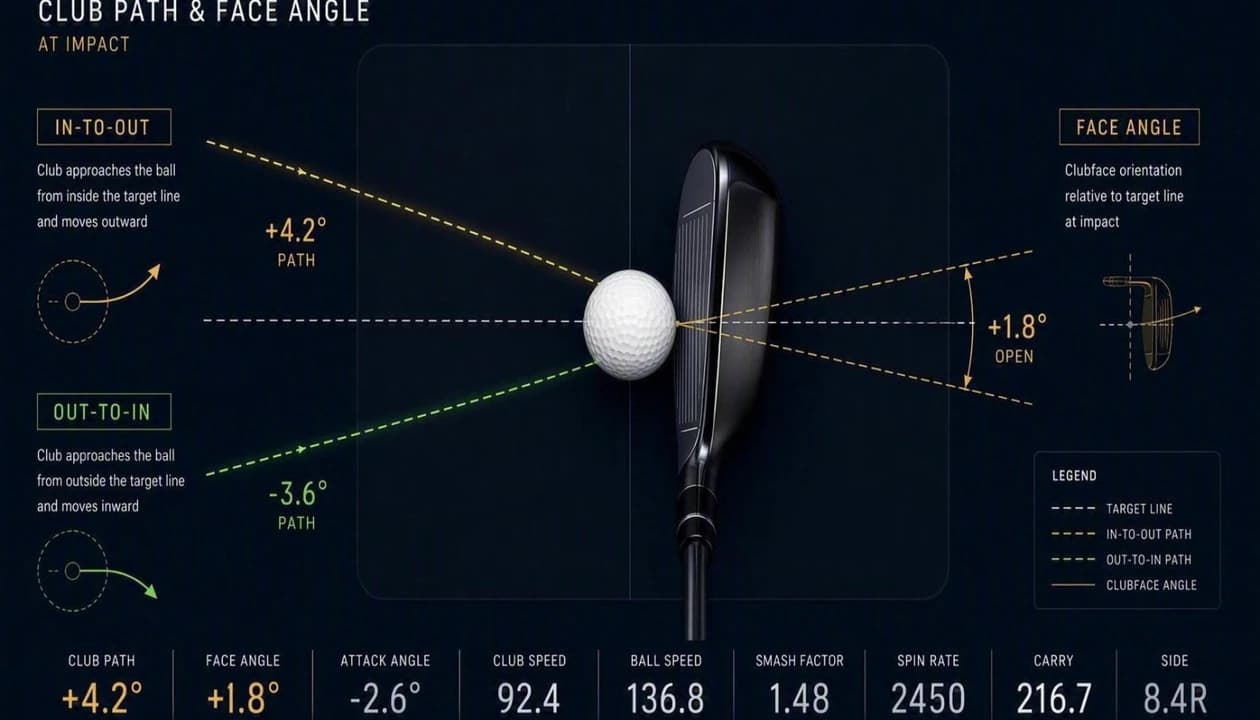
A shank happens when the hosel strikes the ball. It is rarely an aim problem: it is almost always hip thrust or weight moving toward the toes through impact.
Read the guide
Skillest connects you with remote coaches for $50 to $200 per lesson with multi-day turnaround. Here is how it compares to instant AI computer vision.
Read the guide
Casting happens when your wrists unhinge early from the top of the downswing. Here is why casting occurs, what the kinematic data shows, and how to preserve lag.
Read the guide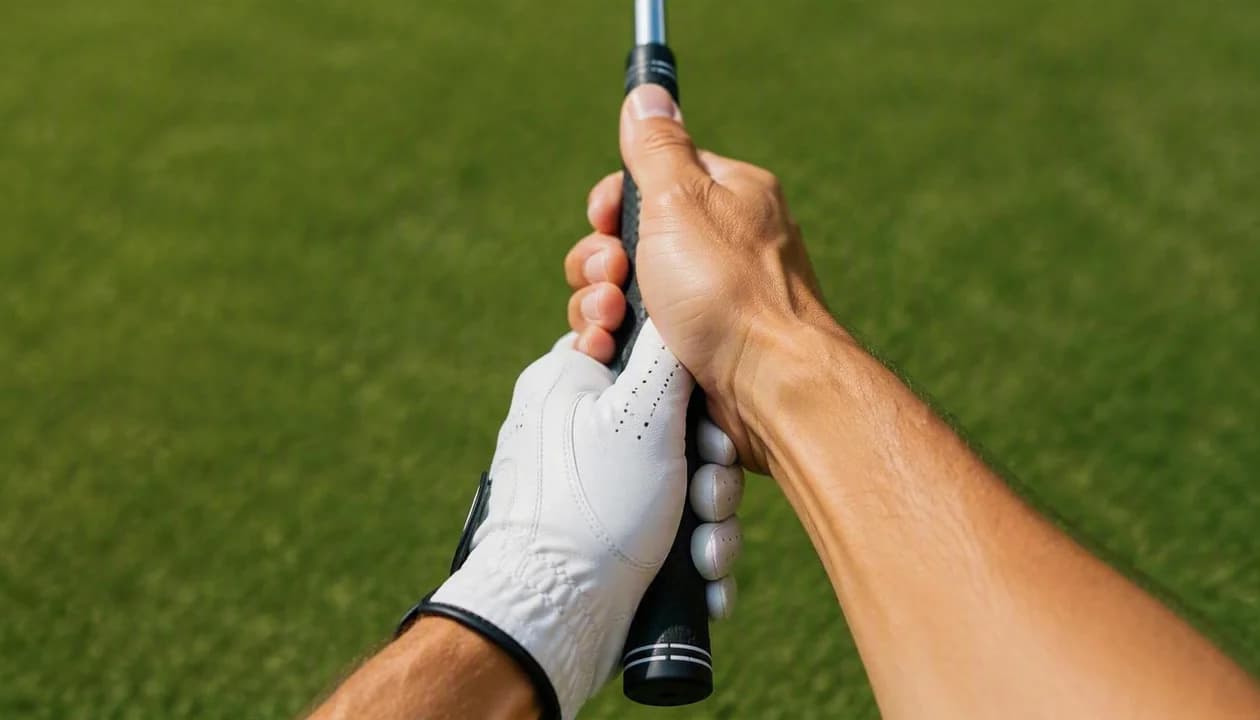
HackMotion costs $300 to $1,000 for wearable wrist sensors. Here is how single-camera AI video compares for measuring lead wrist angles and shaft lean.
Read the guideYour grip is your only physical connection to the golf club. Here is how strong, neutral, and weak grip placements influence clubface control and which one fits your swing.
Read the guide
Whether you swing fast or slow, elite ball strikers share one mathematical constant: a 3:1 ratio between backswing and downswing time. Here is how to master your tempo.
Read the guide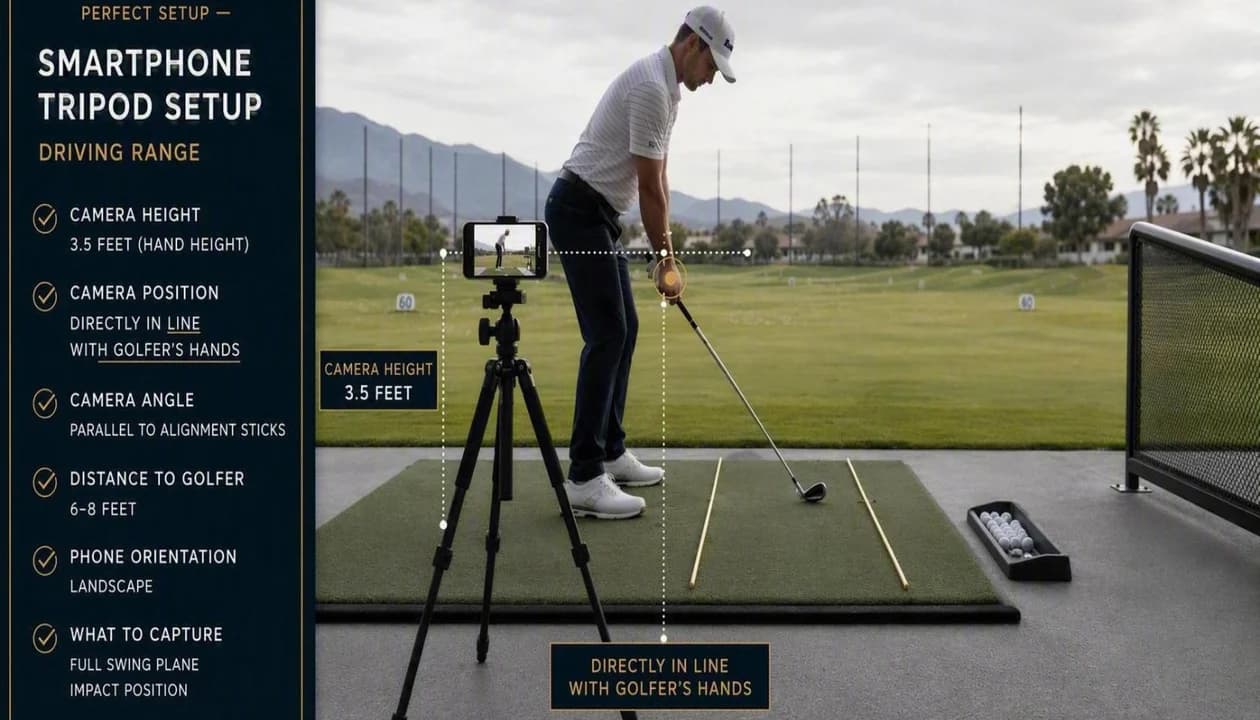
Garbage in, garbage out: if your phone camera is positioned wrong, even the best coach or AI cannot read your swing accurately. Here is the definitive setup guide.
Read the guideEarly extension ruins ball striking by pushing your hips toward the ball, standing you up at impact, and forcing a flip. Here is how to keep your glutes back and maintain spine angle.
Read the guide
Power in the golf swing does not come from swinging harder: it comes from sequential acceleration and braking. Here is the kinematic sequence explained in plain English.
Read the guideOver-the-top is the most common swing fault in amateur golf. Here is the biomechanical reason your upper body casts the club early, and how to drop it onto an inside path.
Read the guideThe FlightScope Mevo is a popular portable Doppler launch monitor, but radar units only tell you what the ball did. Here is how modern alternatives help you fix your swing motion.
Read the guideTraditional in-person golf lessons cost $75 to $200 per hour. Here is a realistic breakdown of coaching costs, practice pitfalls, and how AI swing analysis stretches your golf budget.
Read the guide
From manual line-drawing apps to real-time AI physics engines, golf swing apps have evolved dramatically. Here are the top swing analyzers tested for real improvement.
Read the guideSportsbox AI brought 3D biomechanical tracking to phones, but expensive coach subscriptions make it inaccessible for many everyday golfers. Here is how single-camera alternatives stack up.
Read the guideA chicken wing is rarely an arm problem: it is almost always a compensation for stalled hips or an open clubface. Here is how to diagnose the root cause and fix your lead arm through impact.
Read the guide
TrackMan is the gold standard for ball flight tracking, but spending $20,000 is overkill if your primary goal is fixing body mechanics and swing faults. Here is how modern alternatives compare.
Read the guide
Smash factor tells you how much of your club speed reached the ball. It will not tell you why the rest went missing. Here is what the number means, what the benchmarks actually are, and how to work backwards to the cause.
Read the guide
Record one clean angle, upload it, and spend your next practice session on the one fault the report names as the root cause. Everything else in an analysis report is detail in service of that loop.
Read the guide