How to Stop Casting the Golf Club: Reclaiming Downswing Lag

Key takeaways
| Point | Details |
|---|---|
| Casting empties your wrist angle at position P5 | Uncocking the wrists before the hands reach hip height bleeds clubhead speed before the hitting zone. |
| Casting is often caused by an overactive upper body | When the shoulders spin first in transition, centrifugal force throws the clubhead outward away from the body. |
| Proper sequencing preserves lag naturally | Shifting weight to the lead side while keeping the trail elbow close lets the club drop without intentional wrist manipulation. |
Quick answer
Casting is the premature unhinging of the wrists at the start of the downswing, releasing stored lag before the club reaches the ball. To stop casting, initiate the downswing from the ground up: shift pressure to your lead foot, let your trail elbow drop to your hip, and keep your chest closed to the target until position P6.
Imagine holding a fly-fishing rod and casting your line forward across a stream. That casting motion is great for landing a lure on water, but it destroys a golf swing. When you cast a golf club, the 90-degree angle between your lead forearm and club shaft opens up almost immediately after transition.
By the time your hands reach waist height (position P6), your wrist hinges are completely spent. You reach the ball with zero forward shaft lean, an upward angle of attack, and a dramatic drop in smash factor.
The 3 kinematic triggers that cause casting
- 1
1. Shoulders spinning open before lower body transition
When the upper torso initiates the downswing, the clubhead is thrown outward toward the target line. Centrifugal force instantly pulls the clubhead away from your wrists, breaking the hinge.
- 2
2. Trying to generate speed from the top
Amateur golfers often believe the swing must be fastest right as the backswing ends. This impulse forces the hands and arms to push hard against the grip, unhinging the wrists prematurely.
- 3
3. Compensating for an open clubface
If your clubface is open at position P4 (the top), your brain realizes that swinging down normally will send the ball into the trees. Casting and throwing the clubhead early is an instinctive emergency attempt to square the face.
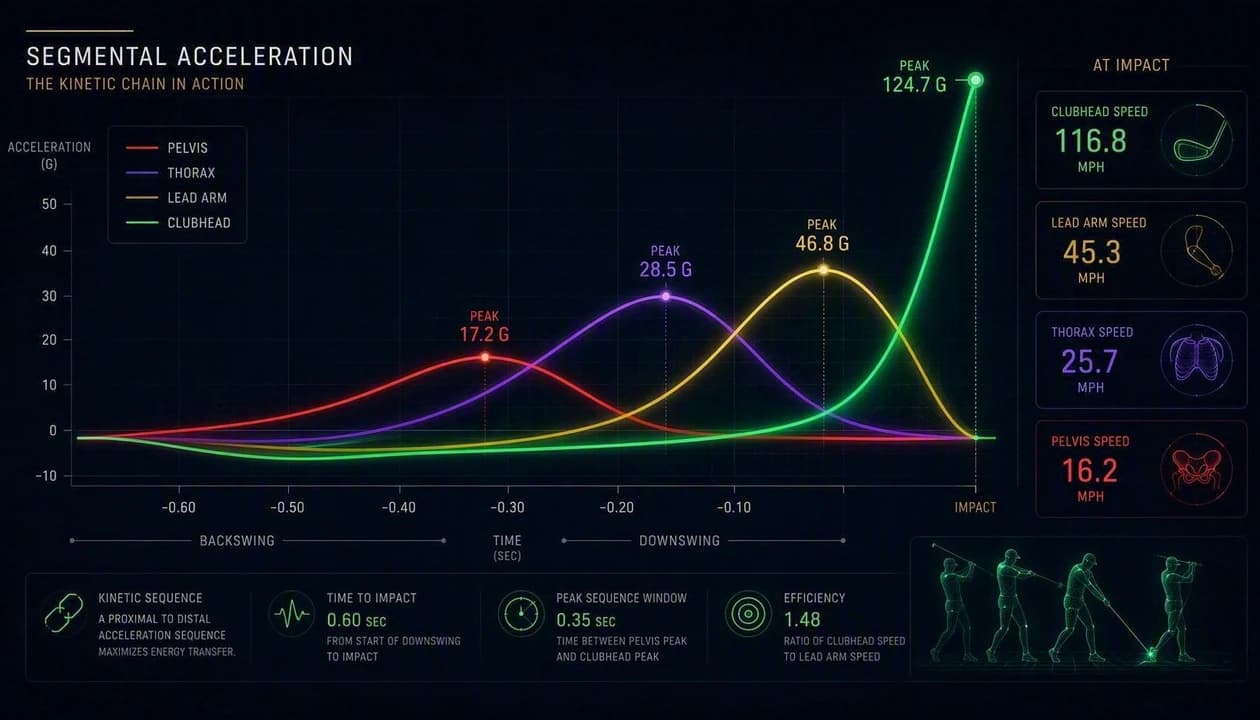
| Swing Position | Tour Benchmark | Casting Amateur | Performance Impact |
|---|---|---|---|
| P4 (Top of Backswing) | 90° wrist cock, flat lead wrist | Cupped lead wrist (>20° extension) | Forces emergency throw to square face |
| P5 (Arms Parallel) | Lag angle maintained at 85°-90° | Lag lost early to 120°-140° | Dumps maximum speed 3 feet before impact |
| P6 (Shaft Parallel) | Hands lead clubhead by 8-12 inches | Clubhead level with or ahead of hands | Zero forward shaft lean into strike |
| P7 (Impact) | 8°-12° forward shaft lean (iron) | 0° to negative lean (scoop strike) | Weak ballooning flight, 15-20% distance loss |
Drills to eliminate casting and store lag
To cure casting, you need drills that train your lower body to lead while your hands remain passive through transition.
Essential anti-casting drills
Practice these drills to build the feeling of holding the wrist hinge until your hands pass your trail thigh.


Related fault guides in our library
Related swing fault guides
Casting frequently pairs with these two common transition and delivery faults.
Frequently asked questions
What is the main difference between casting and flipping?
Casting occurs early in the downswing (from P4 at the top down to P5 at chest height) when you throw the club away from your body. Flipping occurs late (from P6 at shaft-parallel through P7 at impact) when the hands stall and the clubhead scoops past them.
Can you hold lag by squeezing the grip tightly?
No. Gripping the club tightly creates muscle tension in the forearms that actually accelerates casting. Lag is a dynamic product of body acceleration, relaxed wrists, and proper transition sequencing, not hand strength.
Sources
- Titleist Performance Institute Kinematic Sequence Study Data on segmental deceleration and lag retention.
- PGA Tour Launch Monitor Baselines Forward shaft lean angles across tour iron play.
How AI Golf School Diagnoses Your Swing
Instead of a vague list of swing tips, every analysis isolates your single root-cause fault, tracks 33 skeletal joints in 3D through impact, and pairs you with a focused drill plan.
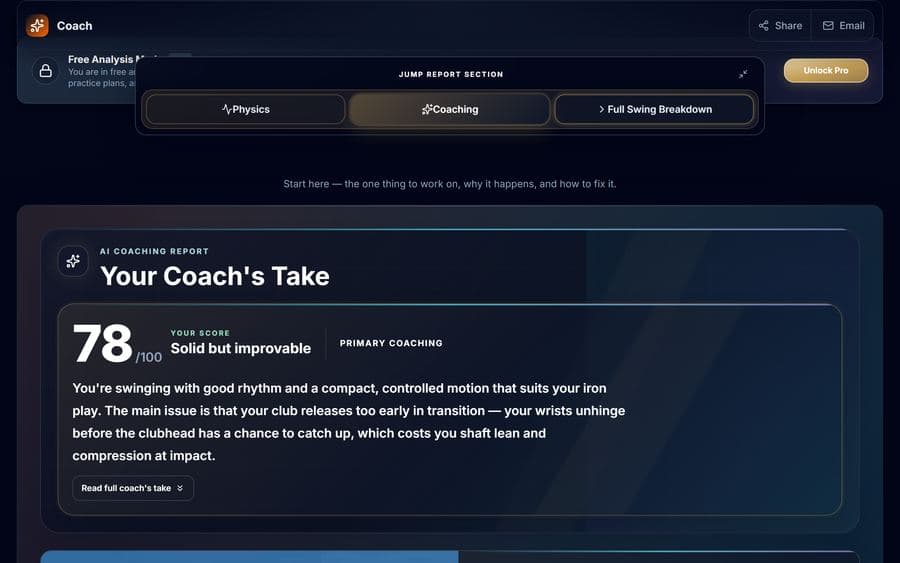
Composite score with root-cause flaw detection and severity ratings.
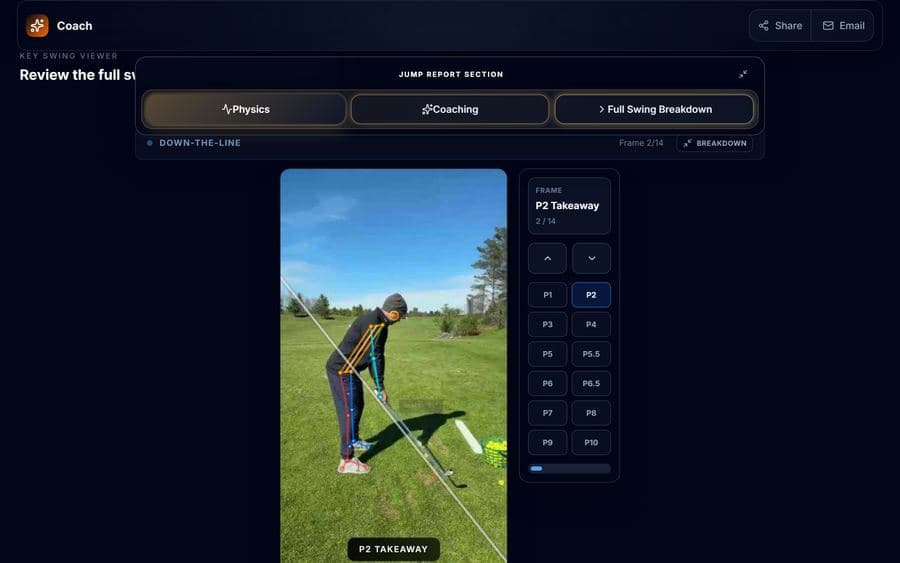
Swing Lens tracks 33 joints across all swing phases.
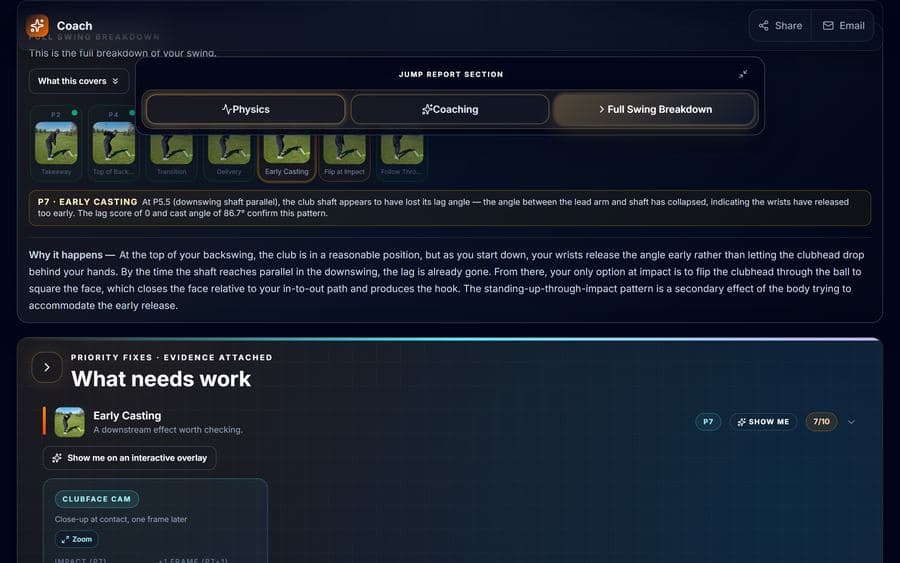
Personalized drills from certified coaches matched to your specific flaws.
Upload one video from your phone to diagnose your swing mechanics.