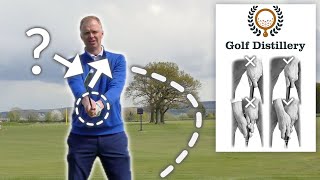
Stop Blocking and Hooking
Curated PGA Drill by Matt Baker
Path
3 sets of 10 slow rehearsal reps
Golf club, alignment stick (optional)
Advanced
Why This Drill Works (Kinetic Mechanics)
Neutralizes the excessive in-to-out path that causes hooks and blocks.
How to Perform the Drill
Follow these step-by-step instructions. Rehearse slowly to build proper motor patterns before adding full swing speed.
- 1
Step 1
Focus on the exit path of the club (follow through).
- 2
Step 2
Feel the club exiting 'Left' around your body.
- 3
Step 3
If you block/hook, the club usually exits too high and right.
- 4
Step 4
Visualize swinging 'Left' after impact.
What Good Feels Like
Focus on smooth tempo and maintaining body connection through impact. Your body and club should move as a single synchronized unit.
Common Mistake to Avoid
Rushing transition before completing backswing or lunging upper body forward towards ball at impact. Keep movement controlled.
Swing Faults & Ball Flights Addressed
Comprehensive Guides Featuring This Drill
A hook happens because your clubface is closed relative to your swing path at impact. Fix it by neutralizing a too-strong grip, stopping your hands from rolling the face shut through impact, and correcting an excessive in-to-out path or a trail arm that gets stuck behind your body in the downswing.
You get stuck when your lower body outraces your arms in the downswing, trapping the club too far behind you and forcing a block or a flippy snap hook. Fix it by syncing arm speed to your pivot, keeping the trail elbow in front of your torso, and squaring the clubface earlier so you can rotate through without stalling.